
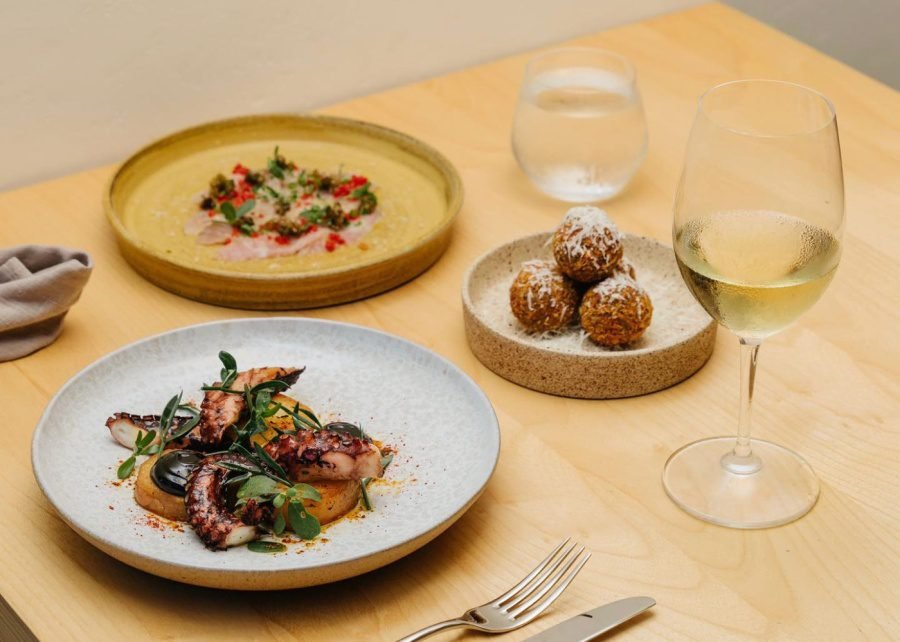
Mediterranean cuisine is more than a style of cooking—it is a way of eating and living shaped by the countries surrounding the Mediterranean Sea. Celebrated for its fresh ingredients, balanced flavours, and health benefits, this cuisine draws inspiration from nations such as Italy, Greece, Spain, Turkey, Lebanon, and Morocco.
At its core, Mediterranean cuisine is ingredient-driven and seasonal, relying on simplicity rather than complexity. Dishes are designed to highlight the natural character of each component, often served in a way that encourages sharing, conversation, and unhurried dining.
The Foundation of Mediterranean Cooking
Mediterranean cuisine is built on a small number of essential ingredients that appear consistently across the region. Often referred to as the “Mediterranean trinity,” these elements form the backbone of countless dishes:
• Olive oil as the primary source of fat
• Wheat in the form of bread, pasta, or grains
• Grapes, enjoyed fresh or as wine
These ingredients are supported by an abundance of vegetables, legumes, herbs, and seafood—creating food that feels both nourishing and deeply satisfying.
Plant-Forward and Naturally Balanced
One of the defining characteristics of Mediterranean cuisine is its plant-forward approach. Meals are rich in vegetables, fruits, nuts, seeds, and legumes such as chickpeas and lentils.
Protein is present but used with restraint:
• Fish and seafood as the primary protein sources
• Poultry enjoyed in smaller amounts
• Cheese and yogurt used to complement, not dominate
Staples such as olives, hummus, feta, flatbreads, and fresh yogurt frequently accompany meals, adding texture and depth.
Flavour Through Simplicity
Rather than relying on heavy sauces or complicated techniques, Mediterranean cuisine achieves depth of flavour through aromatic herbs and natural seasoning:
• Basil, oregano, thyme, and rosemary
• Garlic and onions as foundational aromatics
• Spices such as cumin or saffron in regional dishes
Preparation methods are typically straightforward:
• Grilling to enhance natural flavour
• Roasting to deepen texture and aroma
• Raw or lightly cured preparations to preserve freshness
A Cuisine Shaped by Regions
While Mediterranean cuisine shares a common philosophy, it varies across distinct regions:
• Southern Europe (Italy, Greece, Spain): olive oil–based dishes, seafood, fresh pasta, vegetables, and herbs
• The Middle East (Lebanon, Turkey, Israel): mezze, legumes, yogurt, spices, and shared plates
• North Africa (Morocco, Algeria): bold spices, slow-cooked dishes, grains, and aromatic herbs
This regional diversity gives Mediterranean cuisine its depth and global appeal.
Health Benefits and Lifestyle
Mediterranean cuisine is widely recognised for its heart-health benefits, largely due to its focus on unsaturated fats, fresh produce, and lean proteins. It has been linked to improved cardiovascular health and long-term wellbeing.
Equally important is the lifestyle behind the cuisine:
• Meals designed to be shared
• A focus on hospitality and connection
• Slow, intentional dining that values quality over quantity
Mediterranean Cuisine at Jade by Todd English
These principles are now reflected at Jade by Todd English, where Italian–Mediterranean cuisine is presented through a refined, contemporary lens.
Jade’s menu celebrates fresh ingredients, elegant technique, and share-style dishes, served in a sophisticated setting complemented by curated wines and signature cocktails. It is a modern interpretation of Mediterranean dining—thoughtful, social, and elevated.
For those looking to experience Mediterranean cuisine not just as food, but as a way of dining, Jade offers a refined place at the table.
Experience Mediterranean cuisine, reimagined. Reservations recommended.
Read more: Jade Enters a New Era with Italian–Mediterranean Cuisine