
Becoming a fine dining chef is not simply about learning how to cook well. It is about mastering precision, discipline, creativity, and consistency — every single day.
A fine dining kitchen operates at the highest level of the culinary world. Every plate must meet exact standards. Every service must feel seamless. Every guest must experience the same excellence, whether it’s their first visit or their tenth.
This guide explains how to become a fine dining chef, step by step, and what it truly takes to reach the top of the profession — inspired by the philosophy behind Jade by Todd English, one of Bali’s leading fine dining restaurants.

The Foundation: Formal Culinary Education
Most fine dining chefs begin their journey with structured learning. While not mandatory, formal culinary education provides a strong foundation and accelerates professional growth.
Typical Pathway
• Complete high school or equivalent
• Enrol in a culinary school or hospitality academy
• Obtain professional culinary certification
What Culinary Training Teaches
Formal education equips aspiring chefs with essential skills, including:
• Classical and modern cooking techniques
• Knife skills and precise preparation methods
• Sauce-making, stocks, and flavour balancing
• Food presentation and visual consistency
• Kitchen hygiene, safety, and discipline
• Mise en place and workstation organisation
• Time management during service
• Basic kitchen business and cost awareness
Some chefs choose to specialise early — in French cuisine, pastry, or modern gastronomy — which can help fast-track a fine dining career. A culinary degree isn’t always required, but it builds confidence and a deep understanding of professional kitchen standards.
Historically, some celebrated chefs learned exclusively through apprenticeships under master chefs. This path demands exceptional discipline, resilience, and humility.
Real-World Training: Kitchen Experience
Internships and Apprenticeships
After or during culinary school, most chefs enter professional kitchens as interns or apprentices. This is where theory meets reality.
In a fine dining restaurant, expectations are uncompromising. Precision matters. Timing matters. Mistakes are corrected immediately — often publicly — and praise is rare.
Days are long. Services are intense. Kitchens run at full speed.
What You Learn on the Job
• Advanced cooking techniques and plating
• Ingredient sourcing and seasonality
• Menu development and refinement
• Communication under pressure
• Problem-solving during service
• Kitchen hierarchy and leadership flow
• The rhythm and discipline of fine dining service
This stage builds mental strength as much as technical skill. It also helps chefs build a professional network that opens doors to future opportunities.
Understanding the Kitchen Brigade
Fine dining kitchens operate under a structured brigade system. Most chefs begin in junior roles and work their way up.
Entry-Level Roles
Chefs often start as commis chefs or kitchen assistants.
Daily responsibilities include:
• Preparing ingredients
• Cleaning and organising stations
• Trimming meat and seafood
• Peeling and cutting vegetables
• Preparing sauces and garnishes
• Supporting senior chefs during service
Every movement must be fast, accurate, and repeatable. Repetition is key — tasks are performed until precision becomes instinct.
Career Progression
Commis Chef → Demi Chef de Partie → Chef de Partie → Sous Chef → Executive Chef
Promotion depends on:
• Consistency and reliability – Delivering the same high standard in every service
• Discipline and professionalism – Following kitchen rules, timing, and conduct without exception
• Hygiene and organisation – Maintaining a clean workstation and safe food handling at all times
• Calmness under pressure – Staying focused and composed during busy or high-stress services
• Ability to receive and apply feedback – Learning quickly from senior chefs and correcting mistakes immediately
• Respect for kitchen systems and hierarchy – Understanding structure, roles, and teamwork within a fine dining brigade
Core Skills Every Fine Dining Chef Must Master
1. Technical Precision
In fine dining, there is no room for approximation. Knife cuts must be uniform. Sauces must taste identical every time. Cooking temperatures and timing must be exact — even during peak service.
2. Creativity with Control
Fine dining chefs reinterpret classic dishes with modern techniques. Innovation is encouraged, but never at the expense of balance or flavour.
3. Consistency
Guests expect the same dish to look and taste identical on every visit. Maintaining consistency — even on the busiest nights — builds trust and reputation.
4. Leadership and Teamwork
Fine dining kitchens rely on rhythm and coordination. The head chef sets the tone. Calm leadership keeps the team focused during high-pressure moments.
5. Presentation and Timing
Plating must be clean, balanced, and precise. Courses must be delivered at the correct intervals. Timing is as important as taste.
6. Business Awareness
Fine dining chefs must understand costs, suppliers, waste reduction, and portion control. Creativity must work hand in hand with sustainability and profitability.
7. Guest Experience Awareness
Menus are designed as journeys — from appetiser to dessert. Texture, temperature, and flavour progression matter. Every dish contributes to the overall experience.
8. Respect for the System
Fine dining kitchens function through structure. Each section has a role, and every role matters. Discipline ensures that every guest receives the same exceptional standard.
Learning from the Best: Chef Todd English
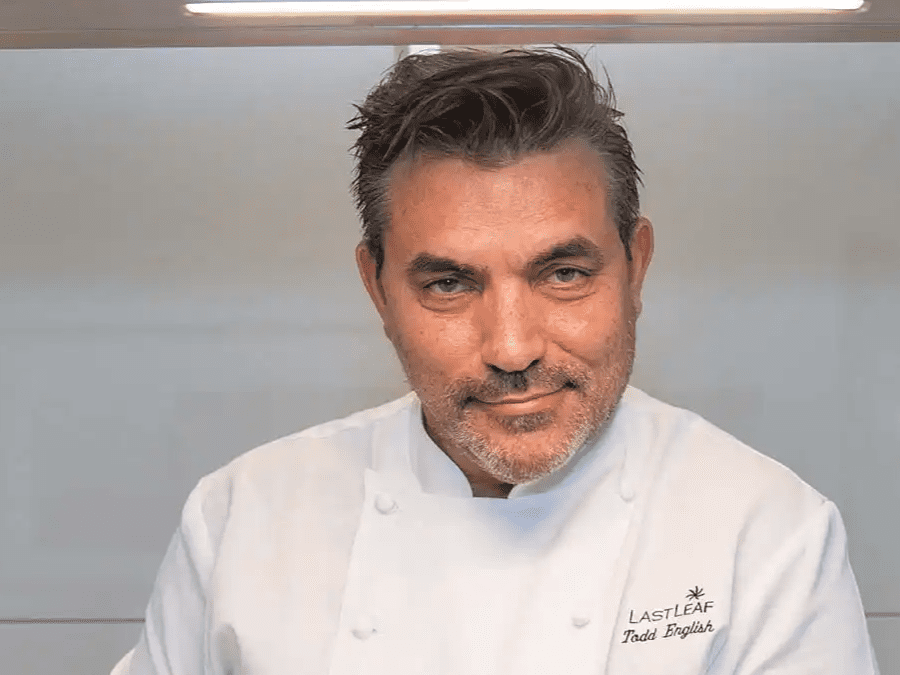
At Jade by Todd English, the philosophy of fine dining is shaped by the vision of Todd English, an internationally acclaimed chef with decades of experience leading world-class kitchens.
Chef Todd English is known for combining global technique with bold creativity, drawing inspiration from Asian flavours, European foundations, and open-fire cooking. His approach reflects the essence of fine dining: innovation guided by discipline, and artistry grounded in precision.
“Great cooking starts with respect — for ingredients, technique, and the people you cook for.”
— Chef Todd English
Experiencing Fine Dining at Jade by Todd English
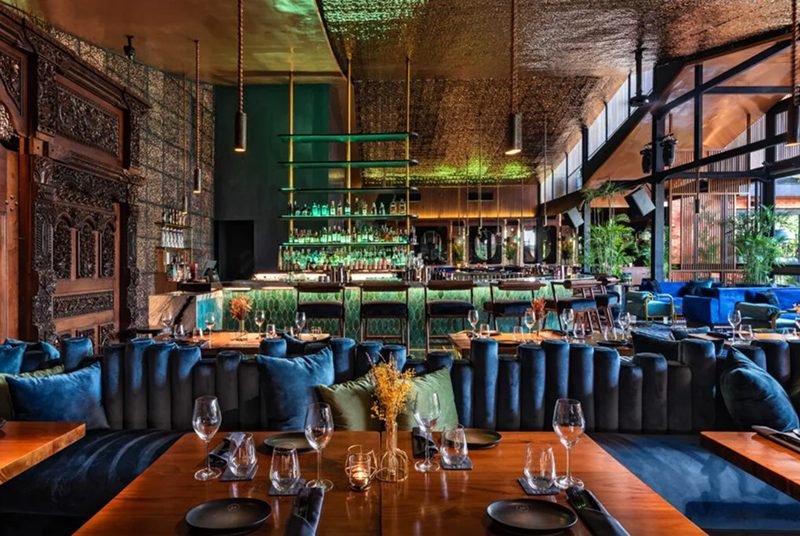
Located in Canggu, Jade by Todd English exemplifies what aspiring chefs work toward.
The restaurant brings together fire-led fusion cuisine, refined service, and a meticulously designed dining experience. From the open-fire kitchen to the elegant interiors, Jade demonstrates how technique, creativity, and structure come together at the highest level.
For aspiring chefs, dining at Jade is more than a meal — it’s a lesson in execution, balance, and vision.
Final Thoughts
Becoming a fine dining chef is a long-term commitment. It requires patience, resilience, and relentless attention to detail. The journey is demanding, but for those who pursue excellence, it is deeply rewarding.
From culinary education and apprenticeships to mastering consistency and leadership, every step shapes the chef you become. And for those inspired by the artistry of chefs like Todd English, the path leads not just to cooking — but to creating unforgettable experiences.