
Bali’s food scene is brilliant — from humble warungs and beachside grills to sophisticated tasting menus. But Bali Belly and food poisoning can crash your holiday fast. Use this no-nonsense guide to the foods and situations most likely to cause trouble, plus easy ways to stay safe without missing out.
1) Food Prepared with Tap Water
Bali’s tap water isn’t potable. Anything made with it — ice, juices, soups, sauces — can carry harmful bacteria.
How to stay safe
-
Choose drinks without ice unless you’re sure it’s from purified/RO water.
-
Ask if soups/sauces use filtered water (reputable restaurants typically do).
-
Brush teeth with bottled water; avoid swallowing shower water.
2) Street Food in Unsanitary Conditions
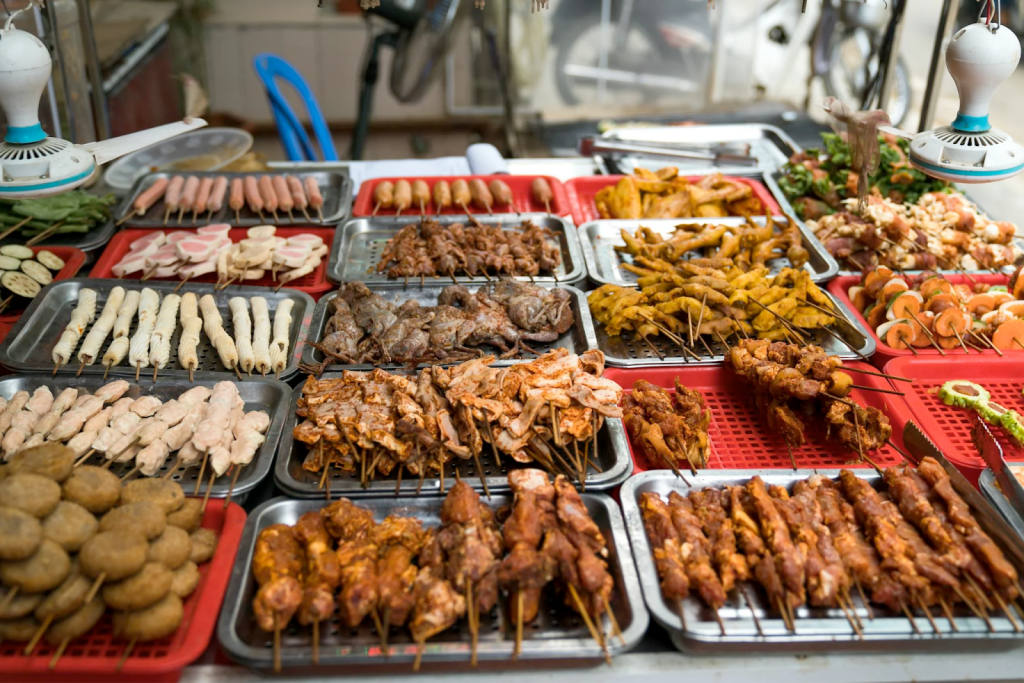
Great street food exists, but hygiene varies. Bare-hand handling, uncovered food, and lukewarm displays are red flags.
How to stay safe
-
Pick busy stalls with high turnover.
-
Watch handling: separate boards for raw vs cooked, utensils in use, covered ingredients.
-
Prioritise items cooked to order (grilled, fried, stir-fried) and served piping hot.
3) Buffets & Pre-Cooked Food Sitting at Room Temperature
In Bali’s heat, food in the “danger zone” (5–60°C) breeds bacteria quickly.
How to stay safe
-
Choose buffets where hot food is truly hot (steam visible) and cold food is well-chilled.
-
Skip trays that look dry, congealed or long-sitting.
-
When unsure, order freshly cooked à la carte.
4) Hot Dishes Served Lukewarm
Rice, curries, soups, and stews that aren’t hot enough can be risky.
How to stay safe
-
Eat food that’s steaming hot. Send back lukewarm dishes.
-
Prioritise cook-to-order venues over pre-held bain-maries.
5) Unwashed / Raw Fruit & Veg
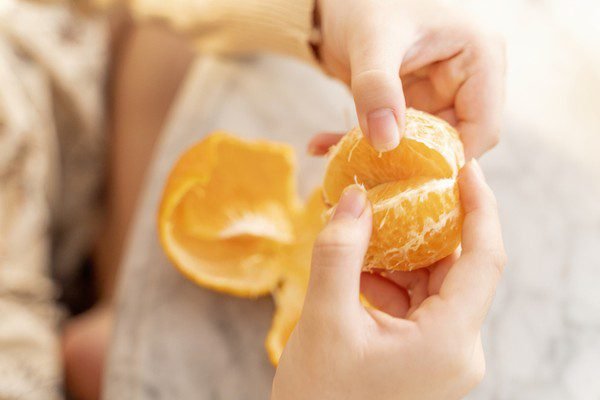
Fresh produce often gets rinsed in tap water.
How to stay safe
-
Choose fruit you peel yourself (banana, papaya, mango, mangosteen, citrus).
-
If eating raw veg/fruits, rinse with bottled water or skip entirely.
6) Pre-Cut Fruit on Display
Pre-cut fruit can be exposed to flies, dust and warm temps.
How to stay safe
-
Buy whole fruit; peel yourself.
-
If pre-cut is a must, choose busy vendors who cut to order and keep fruit on ice.
7) Thin-Skinned, Unpeeled Fruits
Apples, grapes and plums may be washed in tap water, leaving residue.
How to stay safe
-
Wash with bottled water or peel. When in doubt, avoid.
8) Raw Salads from Unknown Sources
Leafy greens trap water; if it’s tap water, that’s a problem.
How to stay safe
-
Order salads only from reputable venues that confirm filtered washing.
-
Prefer cooked vegetables (stir-fried, steamed, grilled) elsewhere.
9) Unpasteurised or Poorly Stored Dairy
Heat + dairy = spoilage risk (and pathogens like E. coli/Listeria).
How to stay safe
-
Choose branded, pasteurised milk/yoghurt/cheese.
-
If provenance is unclear, opt for plant milks (coconut, almond).
10) Ultra-Spicy or Heavily Fermented Dishes (If You’re Not Used to Them)
Delicious, yes — but can upset sensitive stomachs.
How to stay safe
-
Ask for “less spicy” (pedas sedikit).
-
Try small portions of sambal/fermented items first; build tolerance.
11) Raw or Undercooked Meat

Improper storage/handling increases risk in a tropical climate.
How to stay safe
-
Order meat well-cooked (no pink).
-
Avoid rare/medium-rare at street stalls or basic warungs.
-
Choose reputable restaurants for steaks and grills.
12) Seafood of Questionable Freshness
Poorly refrigerated seafood can lead to serious illness.
How to stay safe
-
Choose busy restaurants with high turnover and clean, cold displays.
-
Trust your senses: off-odour, sliminess, dull eyes = skip it.
-
Prefer cooked seafood over raw unless you fully trust the venue.
13) Exotic or Unregulated Meats (Bat, Turtle, Dog)
Ethical and health concerns aside, these can carry toxins or pathogens.
How to stay safe
-
Avoid unfamiliar meats or anything vaguely labelled.
-
Stick to commonly regulated proteins: chicken, beef, fish, seafood from reputable sources.
14) Dishes You Don’t Recognise (Allergies / Hidden Ingredients)
Hidden shrimp paste, nuts, or strong ferments can surprise you.
How to stay safe
-
Ask what’s inside; share allergy info clearly.
-
Start with well-known dishes from reputable kitchens and branch out as you go.
15) Endangered / Unethical Ingredients (e.g., Shark Fin)
Besides sustainability issues, sourcing can be dubious.
How to stay safe
-
If a menu item seems questionable, ask.
-
Choose sustainably sourced seafood and ethical venues.
Smart Habits That Dramatically Reduce Risk
-
Sanitise & wash hands often (especially before eating).
-
Separate “street snacks” and big meals — don’t stack risky items in one day.
-
Carry rehydration salts & basic meds in your day pack.
-
Start gentle on day one; let your gut acclimatise.
-
Trust your gut — if it looks/smells off, skip it.
Where to Dine Safely and Exceptionally: Jade by Todd English, Canggu
If you’d like refined flavours with rigorous kitchen standards, book Jade by Todd English (Berawa, Canggu). Expect:
-
A modern, fire-led Asian-influenced menu executed with precise temperature control and best-practice handling.
-
Cocktails crafted with purified ice and premium spirits.
-
Professional service, filtered water in food prep, and a polished dining experience from start to finish.
Planning a special dinner? Reserve a table at Jade and enjoy Bali’s culinary creativity without compromise.
FAQs
1. What is “Bali Belly” and how does food contribute?
“Bali Belly” is traveller’s diarrhoea, usually from bacteria/parasites in food or water. Common culprits: tap-water ice, lukewarm buffets, unwashed produce, and undercooked proteins. Symptoms include cramps, diarrhoea, nausea, fever and chills.
2. Is it safe to eat at local warungs?
Yes — choose busy, clean warungs with visible cooking, hot holding for hot foods, and covered ingredients. Avoid places with flies over food or raw meat sitting out warm.
3. How do I judge if a restaurant follows food-safety standards?
Look for: cleanliness, high turnover, staff using utensils/gloves, separation of raw/cooked areas, and consistently hot food. Check recent reviews for mentions of hygiene.
4. Are some cuisines riskier in Bali’s climate?
Buffets, raw salads, raw seafood, and dairy-heavy dishes can be riskier. If you’re sensitive to spice or ferments, go slow at first.
5. What are tell-tale signs food has gone bad?
Sour/rotten smell, overly fishy odour, slimy texture, discolouration, or dishes served cold when they should be hot.
6. What should I do if I get sick?
Hydrate, use oral rehydration salts, and rest. If symptoms are severe or persist beyond 24–48 hours (blood in stool, high fever, dehydration), seek medical care.
Final Word
You don’t need to avoid Bali’s amazing food — just make smart picks. Stick to freshly cooked dishes, purified water, reputable venues, and your instincts. And when you want an elevated, worry-free night out in Canggu, Jade by Todd English is a standout choice for safety, flavour, and style.